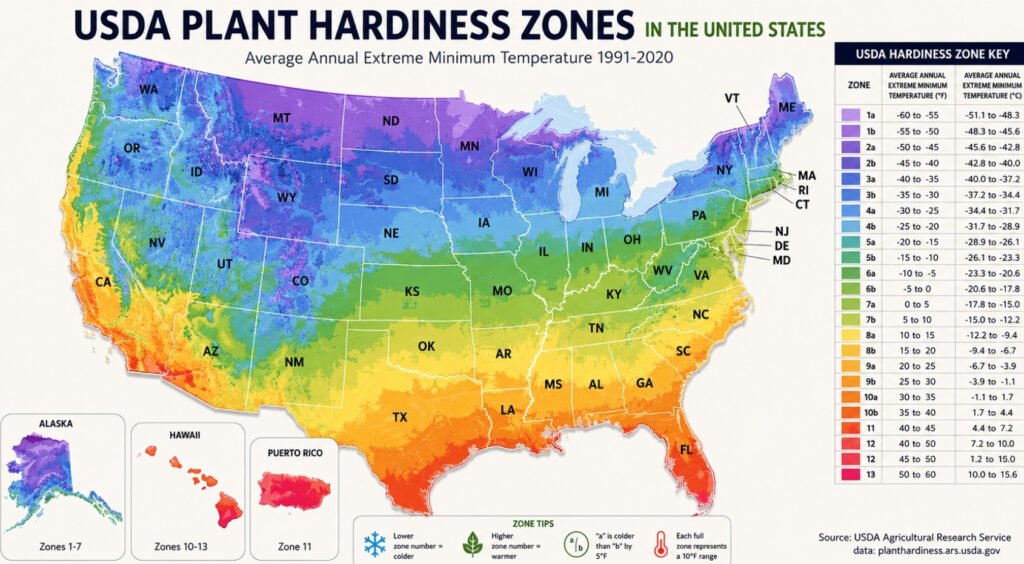
Whether you’re planting flowers, vegetables or landscaping, choosing plants that match your local climate is one of the most important steps toward gardening success. A plant that grows in Florida might not survive a winter in Minnesota, and a shrub that thrives in Maine might not survive the heat of southern Texas. That’s what USDA hardiness zones are for.
USDA hardiness zones help gardeners determine which plants can survive winter temperatures in their area. Understanding your zone will help you make informed choices about what plants to put in your garden, avoid costly gardening mistakes, and increase the chances of long-term growth and survivability.
However, USDA zones are just one factor to consider. Plants also react differently in a garden depending on things like frost dates, sunlight, soil conditions, rainfall, humidity and summer heat.
This guide will explain what USDA hardiness zones are, how they work, how to find your zone, and how to use zone information to help you choose plants that are better suited to your growing conditions.
Table of Contents
What Is a USDA Hardiness Zone?
A USDA Hardiness Zone is a geographic area defined by its average annual minimum winter temperature. Developed by the United States Department of Agriculture (USDA), the hardiness zone system helps gardeners determine which plants are most likely to survive year-round in their location.
The USDA Hardiness Zone Map divides North America into 13 zones, with each zone representing a 10°F range of average winter low temperatures. Most plant labels, seed packets, and nursery tags include a recommended hardiness zone range to help gardeners choose suitable plants.
How USDA Hardiness Zones Work
USDA hardiness zones are based on the coldest temperatures an area typically experiences during winter. Lower zone numbers indicate colder climates, while higher numbers indicate warmer regions.
For example:
- Zone 3 experiences extremely cold winters and can reach temperatures as low as -40°F (-40°C).
- Zone 6 has average minimum winter temperatures between -10°F and 0°F (-23°C to -18°C).
- Zone 9 experiences much milder winters, with temperatures rarely dropping below 20°F (-7°C).
When a plant is labeled as hardy in Zones 5–8, it generally means the plant can survive winter conditions within those zones without significant protection.
Why USDA Zones Matter for Gardeners
Understanding your USDA zone helps you select plants that are more likely to survive and thrive in your local climate.
Key benefits include:
- Choosing trees, shrubs, and perennials that can withstand local winter temperatures.
- Reducing plant losses caused by cold damage.
- Making smarter purchasing decisions at garden centers and nurseries.
- Planning a garden with greater long-term success.
While hardiness zones are an excellent starting point, they should be used alongside other factors such as frost dates, sunlight, soil conditions, rainfall, humidity, and summer temperatures when selecting plants.
How to Find Your USDA Hardiness Zone
Before selecting plants for your garden, it’s important to know your USDA hardiness zone. Your zone indicates the average annual minimum winter temperature in your area and helps determine which plants are most likely to survive outdoors year-round.
Fortunately, finding your zone is quick and easy.
Using the USDA Zone Map
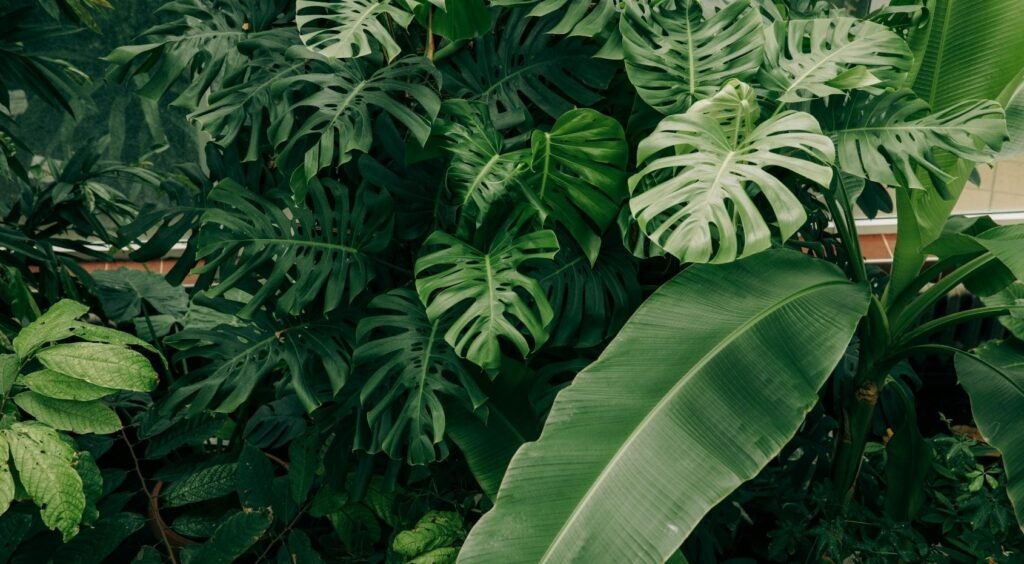
The easiest way to find your USDA hardiness zone is by using the USDA Plant Hardiness Zone Map. Simply enter your ZIP code into the map’s search tool, and it will display the hardiness zone for your location.
The map divides the United States into 13 primary zones based on average annual extreme minimum temperatures. Each zone is further split into “a” and “b” subzones, representing 5°F differences. For example, Zone 7a is slightly colder than Zone 7b.
Keep in mind that local factors such as elevation, nearby bodies of water, urban heat islands, and sheltered microclimates can sometimes create growing conditions that differ from the broader zone designation.
Understanding Zone Numbers
USDA hardiness zones range from Zone 1, the coldest, to Zone 13, the warmest.
In general:
- Lower zone numbers indicate colder winter temperatures.
- Higher zone numbers indicate milder winter temperatures.
- Each full zone represents a 10°F temperature range.
- Each subzone (a and b) represents a 5°F difference within that range.
For example:
- Zone 4 experiences much colder winters than Zone 8.
- A plant rated for Zones 5–8 can typically survive winters in those zones without additional protection.
- A plant hardy only to Zone 9 may suffer damage or die if grown outdoors in Zone 6 during winter.
Knowing your zone gives you a reliable starting point for choosing trees, shrubs, perennials, and other plants that are suited to your local climate.
USDA Hardiness Zones Explained
The USDA Plant Hardiness Zone Map divides the United States into 13 zones based on the average annual minimum winter temperature. Each zone represents a 10°F temperature range and is further divided into “a” and “b” subzones, which represent 5°F differences.
Understanding these zones can help you choose plants that are more likely to survive local winter conditions and thrive in your garden.
USDA Zones at a Glance
| USDA Zone | Average Minimum Winter Temperature | General Climate |
|---|---|---|
| Zone 1–3 | Below -30°F (-34°C) | Extremely cold |
| Zone 4–5 | -30°F to -10°F (-34°C to -23°C) | Cold winters |
| Zone 6–7 | -10°F to 10°F (-23°C to -12°C) | Moderate winters |
| Zone 8–9 | 10°F to 30°F (-12°C to -1°C) | Mild winters |
| Zone 10–13 | Above 30°F (-1°C) | Warm to tropical |
Common States and Regions by Zone
While USDA zones are based on temperature rather than state boundaries, certain regions are commonly associated with specific hardiness zones.
Zone 1–3: Alaska and Extremely Cold Northern Areas
These are the coldest hardiness zones in North America and are characterized by long, harsh winters and short growing seasons. Much of Alaska falls within these zones, along with a few remote northern regions.
Zone 4–5: Upper Midwest and Northern States
Zones 4 and 5 cover many northern states, including parts of Minnesota, North Dakota, South Dakota, Wisconsin, Montana, Maine, and northern New England. Gardeners in these zones often focus on cold-hardy trees, shrubs, perennials, and shorter-season vegetable varieties.
Zone 6–7: Mid-Atlantic, Midwest, and Transition Regions
These zones cover a large portion of the United States, including parts of Missouri, Kansas, Pennsylvania, Virginia, Kentucky, Tennessee, and surrounding areas. Many popular garden plants thrive in Zones 6 and 7 thanks to their moderate winter temperatures.
Zone 8–9: Southern and Coastal States
Zones 8 and 9 include much of the Southeast, Gulf Coast, and parts of the West Coast. States such as Texas, Louisiana, Georgia, Alabama, South Carolina, and coastal California contain large areas within these zones. Gardeners often enjoy longer growing seasons and a wider range of plant options.
Zone 10–13: Tropical and Subtropical Regions
The warmest USDA zones are found primarily in southern Florida, Hawaii, Puerto Rico, and a few other frost-free locations. Tropical flowers, palms, citrus trees, and many heat-loving plants can grow year-round in these regions.
Regional Climate Differences Within the Same Zone
A USDA zone provides valuable information about winter temperatures, but it does not tell the whole story.
For example, Seattle, Washington and parts of North Carolina may share a similar hardiness zone, yet their rainfall, humidity, summer temperatures, and growing conditions are very different. Likewise, a coastal location and an inland location within the same zone can experience significantly different weather patterns.
Other factors that influence plant performance include:
- Average summer temperatures
- Annual rainfall
- Humidity levels
- Wind exposure
- Soil type and drainage
- Elevation
- Frost dates
- Urban and rural microclimates
For this reason, USDA hardiness zones should be used as a starting point rather than the only factor when selecting plants for your garden.
What USDA Zones Can and Cannot Tell You
USDA hardiness zones are one of the most useful tools for gardeners, but they are often misunderstood. While a hardiness zone can help you determine whether a plant is likely to survive winter temperatures in your area, it does not provide a complete picture of your growing conditions.
Understanding both the strengths and limitations of USDA zones can help you make better gardening decisions and avoid common plant selection mistakes.
What USDA Zones Predict
USDA zones are based on the average annual minimum winter temperature in a specific location. As a result, they are most useful for predicting a plant’s ability to survive cold weather.
USDA zones can help predict:
- Winter survival of perennials such as hostas, daylilies, and coneflowers.
- Tree and shrub hardiness, including whether woody plants can survive local winters.
- Long-term plant suitability for landscapes and ornamental gardens.
- Cold tolerance of many fruits, berries, and other perennial crops.
For example, if a plant is labeled hardy in Zones 5–8, gardeners in those zones can generally expect it to survive winter conditions without extensive protection.
What USDA Zones Don’t Predict
While USDA zones are valuable, they don’t account for many other factors that affect plant growth and garden success.
USDA zones do not predict:
- Summer heat and extreme temperatures
- Annual rainfall and drought conditions
- Humidity levels
- Soil type and drainage
- Sunlight exposure
- Growing season length
- Last spring frost and first fall frost dates
- Wind exposure and microclimates
For instance, two locations may both fall within Zone 8, but one could have hot, humid summers while the other experiences a dry Mediterranean climate. Plants that thrive in one location may struggle in the other despite sharing the same hardiness zone.
Because of these differences, successful gardeners use USDA zones as a starting point and also consider local weather patterns, frost dates, soil conditions, and sunlight requirements when selecting plants.
By combining hardiness zone information with other growing factors, you can make more informed choices and create a healthier, more resilient garden.
How to Choose Plants Based on Your USDA Zone
Once you know your USDA hardiness zone, you can use that information to select plants that are more likely to survive and thrive in your local climate. While factors such as sunlight, soil, and moisture requirements are also important, choosing plants that are suited to your zone can significantly improve your chances of gardening success.
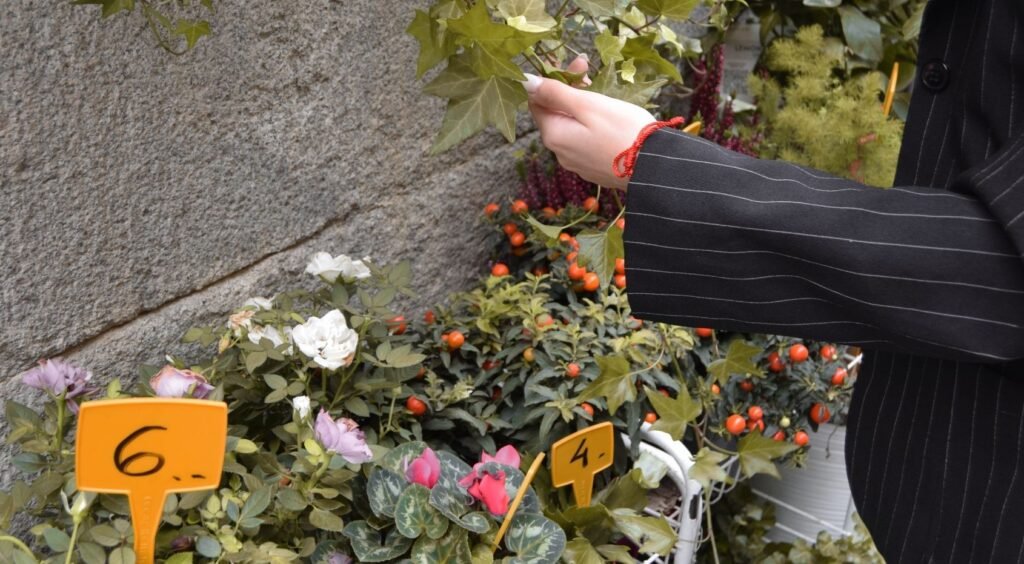
When shopping for plants, check the hardiness zone listed on plant tags, nursery labels, seed packets, or online plant descriptions. Ideally, choose plants that are rated for your zone or a colder one.
Perennials
Perennials return year after year, making hardiness zones especially important when selecting them. Since these plants remain in the garden through winter, they must be able to tolerate your area’s minimum temperatures.
For example:
- Gardeners in colder zones may have success with hostas, peonies, coneflowers, and black-eyed Susans.
- Gardeners in warmer zones can often grow plants such as lantana, agapanthus, and certain salvias as long-lived perennials.
Always verify a perennial’s recommended hardiness range before planting to ensure it can survive local winter conditions.
Trees and Shrubs
Trees and shrubs are long-term investments, so selecting varieties that match your USDA zone is essential. A tree that is not cold-hardy enough may suffer winter damage, while a plant adapted to cooler climates may struggle in regions with prolonged heat.
When choosing trees and shrubs, consider:
- USDA hardiness rating
- Mature size
- Sunlight requirements
- Soil preferences
- Local climate conditions
Many nursery tags provide a recommended zone range to help gardeners determine whether a plant is suitable for their location.
Vegetables and Herbs
USDA zones are somewhat less important for annual vegetables and herbs because these plants complete their life cycle within a single growing season. However, your zone can still provide useful information about your growing season length and planting schedule.
For example:
- Gardeners in colder zones may need to start tomatoes, peppers, and other warm-season crops indoors before the last spring frost.
- Gardeners in warmer zones often enjoy longer growing seasons and may be able to plant multiple crops throughout the year.
When growing vegetables and herbs, it’s important to combine USDA zone information with local frost dates, seasonal temperatures, and crop-specific growing requirements.
By selecting plants that match your hardiness zone and local growing conditions, you can build a healthier, more productive garden with fewer losses and less maintenance.
Can You Grow Plants Outside Your USDA Zone?
Yes, it is sometimes possible to grow plants outside their recommended USDA hardiness zone, but success depends on the plant, local conditions, and the amount of protection you can provide.
USDA hardiness ratings are based on a plant’s ability to survive average winter temperatures. While these ratings are useful guidelines, they are not absolute rules. Many gardeners successfully grow plants outside their recommended zones by taking advantage of favorable growing conditions or providing extra care.
When It Works
Growing outside a plant’s recommended zone is often possible in certain situations, including:
- Microclimates: Protected areas near walls, fences, patios, or buildings may stay warmer than the surrounding landscape.
- Container Gardening: Plants grown in containers can be moved indoors or to sheltered locations during extreme weather.
- Winter Protection: Mulch, frost blankets, cold frames, and other protective measures can help plants survive colder temperatures.
- Mild Winters: Some years may have warmer-than-average winter conditions, allowing less hardy plants to survive.
- Urban Heat Islands: Cities and densely populated areas often experience slightly warmer temperatures than nearby rural locations.
These factors can sometimes allow gardeners to grow plants that would otherwise be considered unsuitable for their USDA zone.
Potential Challenges
Although growing outside your hardiness zone can be rewarding, it also comes with risks.
Common challenges include:
- Winter Damage: Freezing temperatures can injure roots, stems, buds, and foliage.
- Plant Loss: Severe cold events may kill plants that are not fully hardy in your area.
- Reduced Growth and Flowering: Plants under climate stress may produce fewer flowers, fruits, or new growth.
- Increased Maintenance: Extra watering, mulching, covering, or seasonal protection may be required.
- Unpredictable Results: A plant may survive several mild winters before being damaged during an unusually cold season.
For the best long-term success, most gardeners should prioritize plants that are rated for their USDA zone. If you decide to experiment with less-hardy species, start with a few plants and be prepared to provide additional protection when necessary.
In many cases, growing outside your zone can work, but it typically requires more attention and carries a greater risk of failure than choosing plants that are naturally suited to your climate.
Common USDA Zone Gardening Mistakes
Understanding your USDA hardiness zone can help you make better gardening decisions, but it’s important to use this information correctly. Many gardening disappointments occur when hardiness zones are misunderstood or treated as the only factor that matters.
Here are some of the most common USDA zone gardening mistakes and how to avoid them.
Choosing Plants Without Checking Their Hardiness Rating
One of the biggest mistakes gardeners make is purchasing plants based solely on appearance. A beautiful plant may look perfect at the garden center, but if it isn’t hardy in your zone, it may not survive the winter.
For example, a gardener in USDA Zone 5 may be tempted to plant a tropical hibiscus that is only hardy in Zones 9–11. While it may grow well during summer, it is unlikely to survive a typical Zone 5 winter outdoors.
Before buying trees, shrubs, perennials, or other long-lived plants, check the recommended USDA zone range on the plant tag or product description.
Assuming USDA Zones Tell the Whole Story
USDA zones focus only on average minimum winter temperatures. They do not account for rainfall, humidity, summer heat, soil conditions, or sunlight exposure.
A plant may be hardy in your zone but still struggle if its other growing requirements are not met.
Ignoring Frost Dates
Many gardeners confuse hardiness zones with planting calendars. While USDA zones help determine winter survival, frost dates help determine when to plant vegetables, herbs, and annual flowers.
For instance, two gardeners living in the same USDA zone may have different last spring frost dates due to local climate variations. Planting tomatoes too early can expose young plants to damaging late frosts, even if they are grown in the correct hardiness zone.
Knowing your average last spring frost and first fall frost dates is just as important as knowing your hardiness zone.
Overlooking Local Microclimates
Conditions can vary significantly within the same property. Areas near buildings, walls, paved surfaces, or sheltered garden beds may be warmer than exposed locations.
A south-facing brick wall, for example, can absorb heat during the day and release it at night, creating a warmer microclimate that may help less-hardy plants survive winter conditions.
Paying attention to these microclimates can help you grow a wider range of plants and improve overall garden performance.
Planting at the Edge of a Plant’s Hardiness Range
Some gardeners try to grow plants that are only marginally hardy in their area. While this can sometimes work, it often increases the risk of winter damage during unusually cold years.
Choosing plants that are comfortably suited to your zone generally results in healthier plants and less maintenance.
Forgetting That Climate Conditions Can Change
Weather patterns vary from year to year. A plant that survives one mild winter may not survive a harsher winter in the future.
Using USDA zones as a guide while also monitoring local weather conditions can help you make more informed gardening decisions.
By avoiding these common mistakes and considering factors beyond hardiness zones alone, you’ll be better equipped to select plants that thrive and create a more resilient, successful garden.
Frequently Asked Questions
What is a USDA hardiness zone?
A USDA hardiness zone is a geographic area defined by its average annual minimum winter temperature. The USDA Plant Hardiness Zone Map uses these temperature ranges to help gardeners determine which plants are most likely to survive outdoors in their region.
How do I find my USDA hardiness zone?
You can find your USDA hardiness zone by entering your ZIP code into the USDA Plant Hardiness Zone Map. Local cooperative extension offices and many gardening websites also provide zone information based on your location.
Do USDA hardiness zones apply to vegetables?
USDA zones are most useful for perennial plants, trees, and shrubs that must survive winter conditions. While zones can help estimate growing season length, vegetable gardeners should also pay close attention to local frost dates, seasonal temperatures, and planting schedules.
Can I grow plants outside their recommended USDA zone?
Yes, some plants can be grown outside their recommended zone with proper care. Factors such as microclimates, winter protection, container gardening, and sheltered planting locations may improve success. However, plants grown outside their hardiness range generally face a higher risk of winter damage or loss.
What is the difference between a USDA zone and a climate zone?
A USDA hardiness zone is based solely on average minimum winter temperatures. Climate zones consider additional factors such as summer heat, rainfall, humidity, and overall weather patterns. Because of this, two locations can share the same USDA zone but have very different growing conditions.
Are USDA hardiness zones enough to choose the right plants?
No. USDA zones are an important starting point, but they should not be the only factor considered. Successful plant selection also depends on sunlight, soil type, drainage, rainfall, humidity, frost dates, and local climate conditions.